Pitkin County Historic Designation Preserves Thomasville Lime Kilns
Pitkin County
Pitkin County
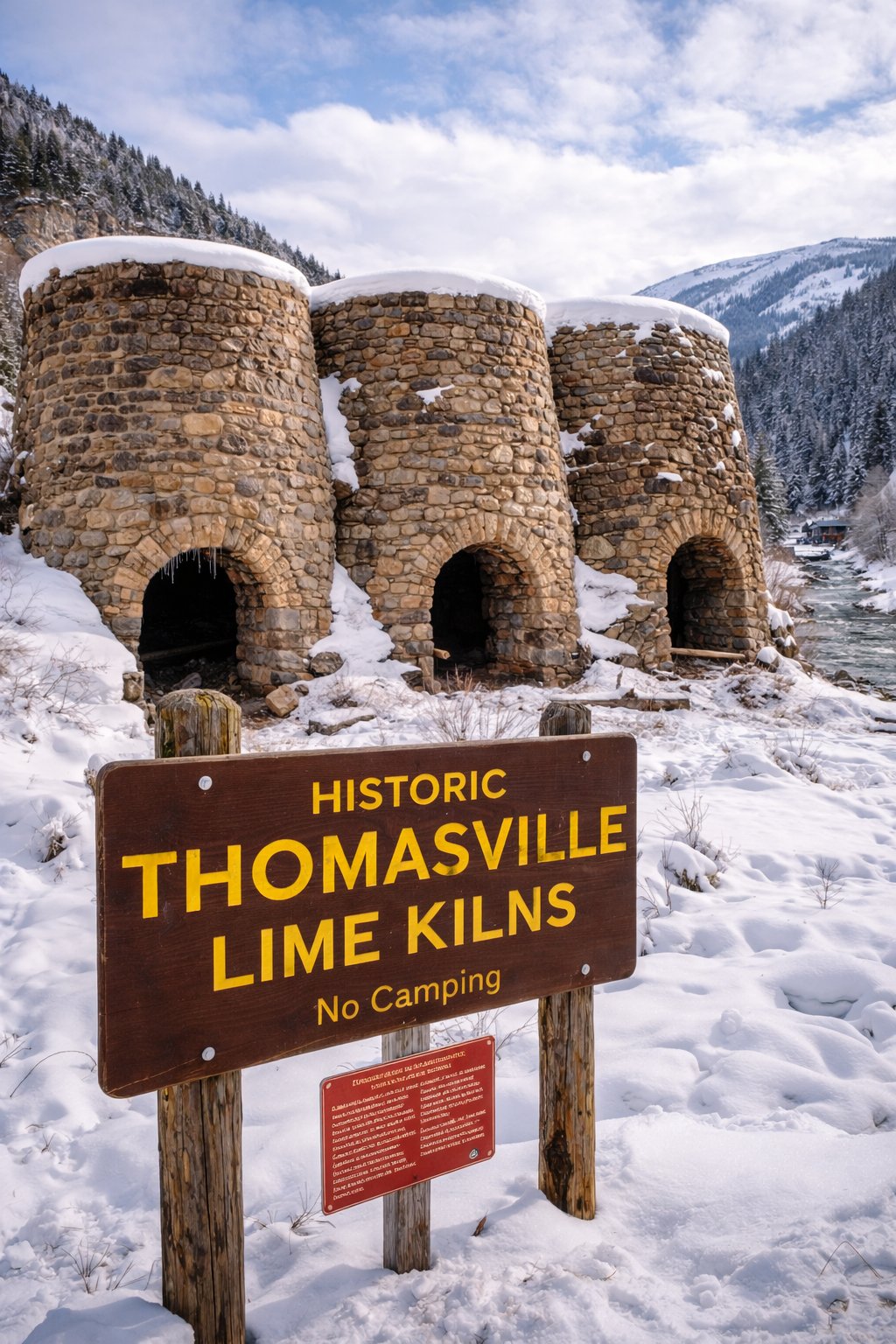
Pitkin County has taken a meaningful step in preserving a rare piece of local history with the historic designation of the Thomasville lime kilns. At a December meeting, the Board of County Commissioners approved placing the limestone kilns on the county’s historic register, a move that will help protect and interpret these remnants of early industrial activity in the Fryingpan Valley. The designation recognizes the kilns’ role in Colorado’s mining and railroad era and opens the door to grant funding and long-term preservation planning.
These structures are more than relics of a bygone industry — they are physical links to the region’s growth and development in the late 19th century.
KEY POINTS
Why This Matters Locally
The lime kilns at Thomasville tell a story of early settlement, industry, and the evolution of the Roaring Fork Valley — long before Aspen became a destination for winter sports and mountain living. These kilns produced lime used in processing ore and building materials throughout the region, and they stand as rare survivors of a period now mostly lost to time.
By approving historic designation, Pitkin County is not just preserving masonry — it’s preserving a chapter of local heritage that connects modern residents and visitors with the region’s roots. These efforts also underscore the importance of historic preservation as part of community identity and cultural tourism. Sustaining these sites can enrich local narratives and deepen appreciation for the valley’s layered past.
By: Skyler Stark-Ragsdale | Aspen Times | February 12, 2026